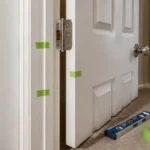
A handyman can address many varied home tasks, but the word “small” does not determine whether a job is suitable. The system involved, potential hazard, structural effect, permit or trade requirements, and consequences of an error matter more than the apparent size of the repair. Recognizing that boundary early prevents a routine task list from drifting into work that needs a specialist.
Look Beyond the Visible Size
A small stain may point to active water entry. One warm switch plate may indicate an electrical condition. A short crack can cross a structural connection, and a loose exterior component can create a fall hazard. Describe what is visible without opening, energizing, cutting, or moving the assembly. Photographs and a dated symptom timeline help the first reviewer decide who should assess it.
Stop and isolate the area when there is an immediate concern such as exposed energized parts, a suspected gas odor, sewage, active flooding near electricity, unstable overhead material, or a component that may collapse. Follow appropriate emergency or utility guidance rather than waiting for an ordinary repair appointment.
Identify Regulated or Specialized Systems
Tasks involving fixed electrical wiring, gas lines, major plumbing changes, heating and cooling equipment, fire-protection components, structural framing, roofing access, hazardous materials, or certain security and access systems often need specialized knowledge. Local rules can also assign work based on permits, licenses, inspections, property type, or project value.
A handyman should not be asked to work around those boundaries by describing a system task as cosmetic. Replacing damaged finish after a qualified repair is different from diagnosing and altering the concealed system that caused the damage. Keep the two scopes separate and record which professional is responsible for each stage.
Consider Access, Height, and Stored Energy
Ordinary work can become unsuitable when access requires roof travel, unusual scaffolding, confined-space entry, or work near overhead lines. Springs, cables, pressurized components, heavy suspended objects, and tensioned assemblies can store energy even when they are not moving. Do not release, brace, or disassemble them to make a task appear ready for service.
Product instructions may specify trained installation, particular supports, or connection methods. Preserve the label and manual so the service provider can review those requirements. If compliance or compatibility remains uncertain, the correct next step is assessment, not improvisation.
Plan a Clean Handoff
When a specialist is needed, give that person the original observations, photographs, model information, prior repair records, and access notes. Ask for a written description of completed work and any surface or finish restoration that remains. Then a handyman can evaluate the follow-up tasks without guessing what is safe to cover or modify.
Clear ownership protects everyone involved. It does not mean every unfamiliar task is automatically complex; it means the task is assigned after considering the actual system and risk. If service ownership remains uncertain, request an assessment before purchasing materials or scheduling dependent finish work. A well-managed project lets each provider handle the portion suited to their work and keeps unresolved conditions visible until the right person evaluates them.